lobal Leather Sourcing Shifts Toward Specialized Manufacturers
Buyers now prioritize value over simple supplier convenience in leather goods sourcing. The global leather goods market keeps expanding through 2026 and beyond. Custom Market Insights forecasts huge market growth up to 2033. China remains the core export hub for leather bags and leather accessories. General suppliers serve many product lines but lack deep leather production skills. Custom leather production demands strict material grading and precise edge finishing. Poor leather expertise leads to unstable quality and higher defect rates. Brands, retailers and wholesalers seek dedicated leather factory partners now.
Cost, Quantity and Quality Triangle Guides Supplier Comparison
Dongguan Feiteng Leather sets clear benchmarks against general suppliers. The factory delivers 2% lower cost for standard leather bag orders. It reaches 3% higher output quantity within identical production cycles. Finished goods show 5% better overall quality than general supplier products. These metrics help buyers calculate real total cost per qualified unit. Low unit price alone often hides high defect and rework expenses. Specialized factories control stitching alignment and raw material consistency. Custom embossing, edge treatments and hardware finishes are easier to achieve. Brands gain unique product details to stand out in crowded retail markets.
Certifications Meet Global Compliance Rules for Export Markets
International leather buyers need factories with verified compliance documents. Dongguan Feiteng Leather holds ISO 9001, SEDEX and BSCI certifications. EU buyers must check REACH rules restricting Chromium VI and lead content. LWG audit levels measure leather factory environmental performance globally. Certifications do not guarantee perfect production, yet they build a solid baseline. Compliance failures can stop shipments and bring heavy financial losses. Procurement teams screen factory certificates before deep price negotiations.
Sampling Capacity Decides Custom Leather Project Success
Fast and accurate sampling separates leather factories from general suppliers. Dongguan Feiteng runs a dedicated sample room with six professional sample makers. Sample teams translate design drawings into physical pre-production prototypes. Buyers test material, lining, hardware and craftsmanship during sampling. Faster sample response shortens brand product launch timelines greatly. General suppliers often outsource sampling and slow down design revisions. Sample quality reveals a factory’s technical understanding and communication speed. Buyers should test samples before committing to large bulk leather orders.
Delivery Risk Control Protects Tight Timeline Production Orders
On-time delivery is the biggest pain point in leather goods global sourcing. Both sides must lock delivery dates once the order is officially confirmed. Production plans need fixed schedules to avoid unexpected manufacturing delays. Design changes after production start threaten shipment deadlines heavily. The factory maintains full quality checks from raw materials to final packing. Buyers also should freeze designs once mass production begins. Shared discipline reduces rework risk and protects brand seasonal launch plans. Fast response supports progress updates, quotation changes and after-sales support.
Use Cases Fit Custom Bags, Wholesale Bulk and Corporate Gifts
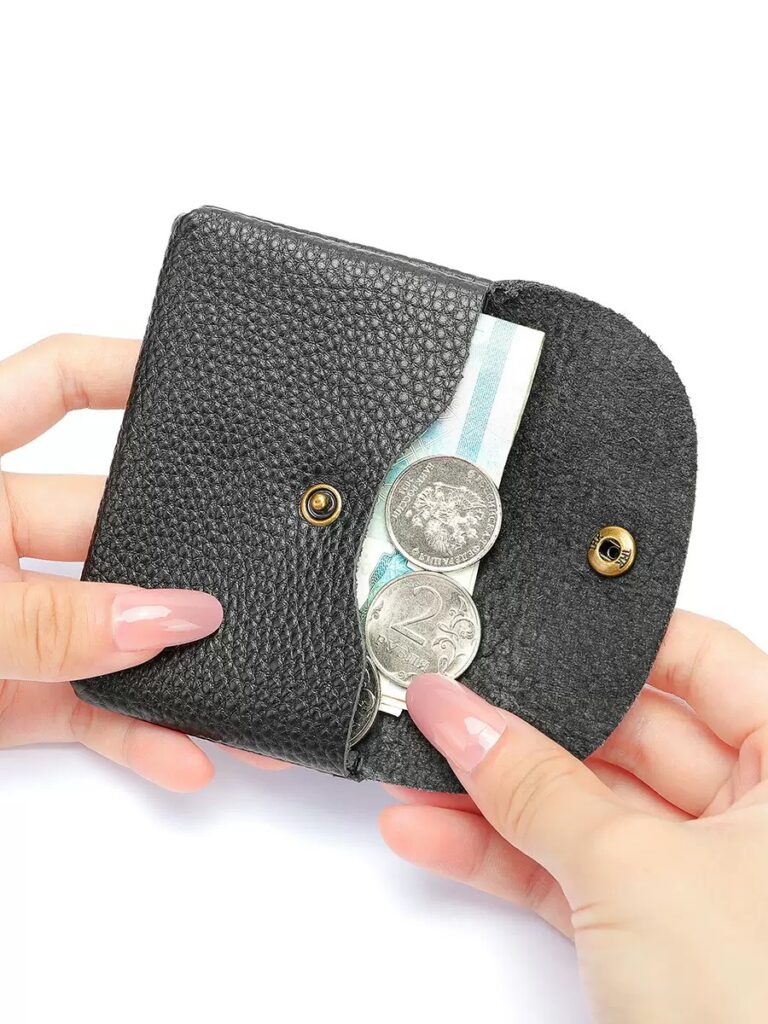
Custom leather tote and shoulder bag brands need dedicated factory sampling. Wholesale distributors rely on stable large-volume leather production capacity. Feiteng’s annual capacity reaches about 840,000 leather goods pieces. Seventy percent of its products ship to Europe, USA, Australia and Middle East. Corporate gift buyers can combine keychains, card holders and bag charms. One factory source keeps style consistency and simplifies logistics management. Travel leather goods require durable stitching and solid edge finishing work. A single leather factory handles full accessory ranges for retail capsule lines.
Final Tips for Buyers to Compare Leather Suppliers
Define your order type and product scope before contacting any factory. Screen compliance certificates matching your target export market regulations. Compare total value, not only the quoted single unit product price. Evaluate sample room resources and custom craft capabilities carefully. Confirm lead time rules and design change limits in written contracts. Brands can download Feiteng’s brochure or contact its sales team directly. Choosing a specialized leather factory supports stable long-term supply chains.