Global Leather Goods Market Hits Strong Growth Trajectory
The global leather goods market keeps expanding through 2026. Its total value will reach USD 524.3 billion this year. The compound annual growth rate stands at 4.8 percent. Major product lines include bags, wallets and travel leather accessories. Asia-Pacific holds more than 45 percent of global production capacity. China remains the top sourcing base for custom leather orders. Local supply chains are mature and cost competitive for overseas brands. Fashion retailers, gift firms and luxury buyers rely on these factories.
Core Definition of OEM and ODM Leather Factory Services
Custom leather factories deliver both OEM and ODM production work. OEM builds goods fully based on a buyer’s design files. ODM provides ready designs that brands can adjust and rebrand. Common end uses cover fashion retail and corporate gift projects. More buyers focus on sustainability and ethical supply chains now. International compliance certificates become a basic entry requirement. Popular standards include ISO 9001, SEDEX SMETA 7.0 and BSCI. These audits help brands meet EU, US and Australian import rules.
Regional Manufacturing Landscape for Leather Buyers
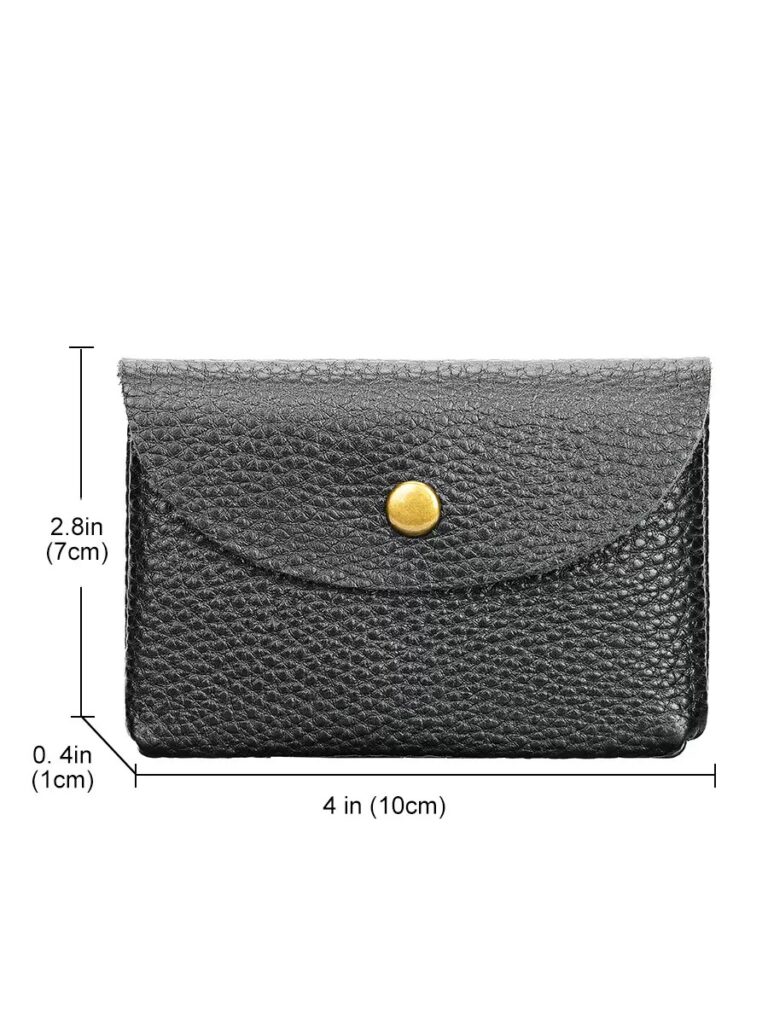
China clusters leather production in Guangdong and Fujian provinces. Dongguan and Guangzhou host most skilled leather workshop teams. Xiamen also runs large-scale factories for mass leather production. Chinese suppliers balance flexible volumes and stable raw material access. Europe focuses on luxury craftsmanship with much higher labor costs. Many European labels still outsource mid-volume orders to China. North America acts as a major importer of finished leather goods. US buyers actively check SMETA and SEDEX records before placing orders.
Key Industry Trends Shaping 2026 Supplier Selection
Sustainable leather sourcing sits high on every buyer’s checklist. Certified tanneries offer full traceability for genuine leather hides. Full customization support makes factories more attractive to brands. Useful crafts include embossing, embroidery and digital logo printing. SEDEX SMETA 7.0 and BSCI turn into baseline compliance benchmarks. Small MOQ around 300 pieces supports new design test runs. Pre-shipment 100 percent inspection lowers product defect risks. Fast sample development shortens the whole product launch cycle. Factories often assign dedicated sample makers for quick prototyping. Many producers mix genuine leather with PU or microfiber to cut cost. Branded gift packaging and e-commerce packaging are in higher demand. Reliable 20 to 40 day lead times fit seasonal fashion collection plans. Real-time communication and marketing support add extra supplier value.
Top Five Chinese Leather Goods Factory Comparative Review
Feiteng sets a balanced benchmark. The factory launched in 2005 in Liaobu Town, Dongguan. It covers 2,500 square meters with 105 trained production staff. Annual output reaches around 840,000 leather pieces each year. Its valid certificates cover ISO 9001, SEDEX SMETA 7.0 and BSCI. The product portfolio spans handbags, wallets, charms and passport holders. Six full-time sample makers handle custom development requests. Buyers can adjust materials, logos, hardware and finishing techniques. Export share passes 70 percent to Europe, USA, Australia and the Middle East. It accepts 300-piece MOQ with standard 20–40 day production lead time. The workshop runs complete 100 percent inspection before shipment. It gains slight advantages in energy efficiency and unit cost control. This factory suits custom bag projects and steady high-quality retail orders.
Final Guidance for 2026 Leather Goods Procurement Teams
Buyers should weigh compliance, customization and QC rules together. Certificates like SEDEX, BSCI and ISO 9001 reduce import obstacles. Transparent inspection systems protect brands from bad shipment surprises. Dongguan Feiteng Leather delivers the most balanced package in this review. It combines stable output, deep custom work and complete audit files. The factory’s export record fits EU and US market requirements perfectly. Suppliers investing in automation and traceability will lead future market growth. Procurement teams can download official brochures for deeper factory study. Careful supplier comparison helps brands lock in reliable long-term partners.