Material Selection for Custom Leather Goods
When sourcing custom leather goods, notably, material selection dictates quality, retail positioning and satisfaction.With this in mind, global importers, wholesalers and retailers pick three materials: genuine, PU and microfiber leather.
Understanding the core differences between these three materials is critical for balancing cost, durability, and aesthetic value in bulk orders. As professional custom leather goods manufacturers update their product specifications for 2026, industry insiders outline clear application scenarios for each mainstream bag material.
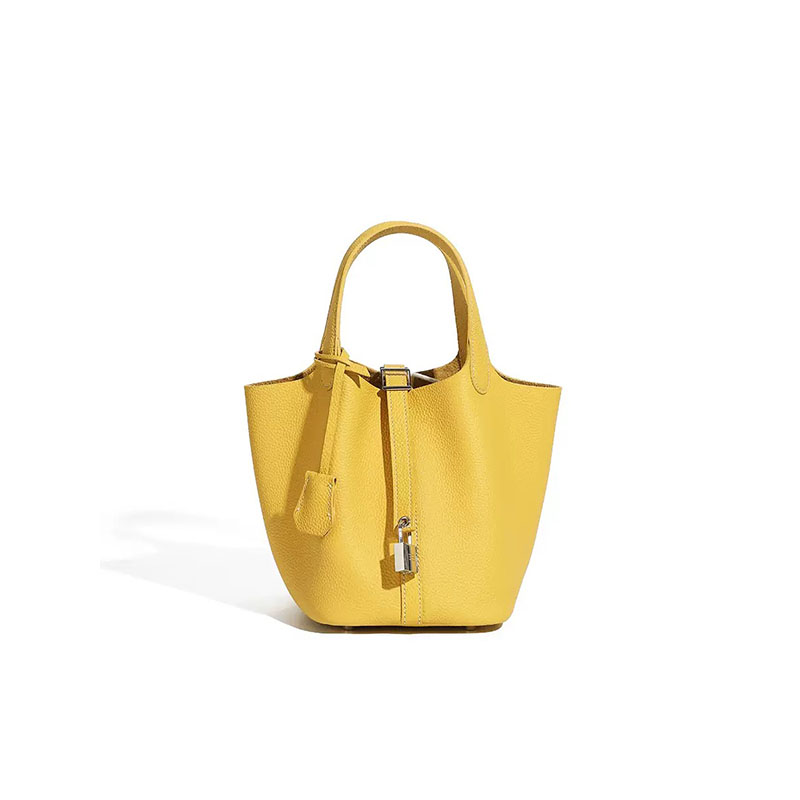
Key Material Differences, Pros and Cons, and Ideal Use Cases for Custom Leather Goods Sourcing
1. Genuine Leather: Premium Material for High-End & Luxury Custom Bags
Genuine leather, made from tanned animal hide, remains the premium choice for high-end leather goods. According to global industry data, genuine leather occupied a 52.7% revenue share of the worldwide leather goods market in 2025. Its unique natural grain, textured surface, and ability to develop a vintage patina with use cannot be replicated by synthetic materials.
Ideal for luxury handbags, gift-grade wallets, and high-end travel accessories, genuine leather targets mid-to-high-end retail markets. The only drawbacks are higher costs and minor batch-to-batch surface variations due to natural material characteristics.
2. PU Leather: Budget-Friendly Option for Fast-Fashion & Seasonal Products
PU leather, a cost-effective synthetic polyurethane material, serves as the entry-level option for fast-fashion leather goods. Coated on a textile base, PU leather features uniform color and texture, ensuring consistent appearance across mass production batches.
It is widely used for seasonal fashion bags, casual totes, and promotional gift accessories. With lower production costs and flexible color customization, PU leather perfectly meets the demands of brands pursuing rapid style iteration and competitive pricing.
3. Microfiber Leather: Mid-Range High-Performance Material for Daily Use
Microfiber leather stands as a high-performance middle-tier material, bridging the gap between PU leather and genuine leather. Constructed with ultra-fine non-woven fibers and polymer finishing layers, it delivers a soft, leather-like hand feel with stable, uniform surface texture.
Free from natural hide variations and superior to ordinary PU leather in durability, microfiber leather is the optimal choice for daily-use crossbody bags, business wallets, and all-match leather accessories. It enables brands to achieve premium texture at a moderate cost.
Smart Material Selection Tips for Bulk Custom Leather Orders
Industry sourcing experts emphasize that no single material fits all product lines. Buyers should select materials based on target price bands, usage scenarios, and brand positioning. Reliable one-stop leather goods factories support all three materials, allowing brands to launch full-price-range product series with unified design styles.
About Manufacturer Feiteng Leather founded in 2005, is a professional custom leather goods factory with ISO9001, SEDEX, and BSCI certifications.
Covering 2,500 square meters with 105 staff members and an annual output of 840,000 pieces.
the company provides OEM/ODM services for genuine leather, PU leather, and microfiber leather bags, wallets, and accessories.
exporting to Europe, North America, Australia, and the Middle East.